
Construction Site Cameras vs Time-Lapse Cameras: What’s Best for Project Progress Reporting?
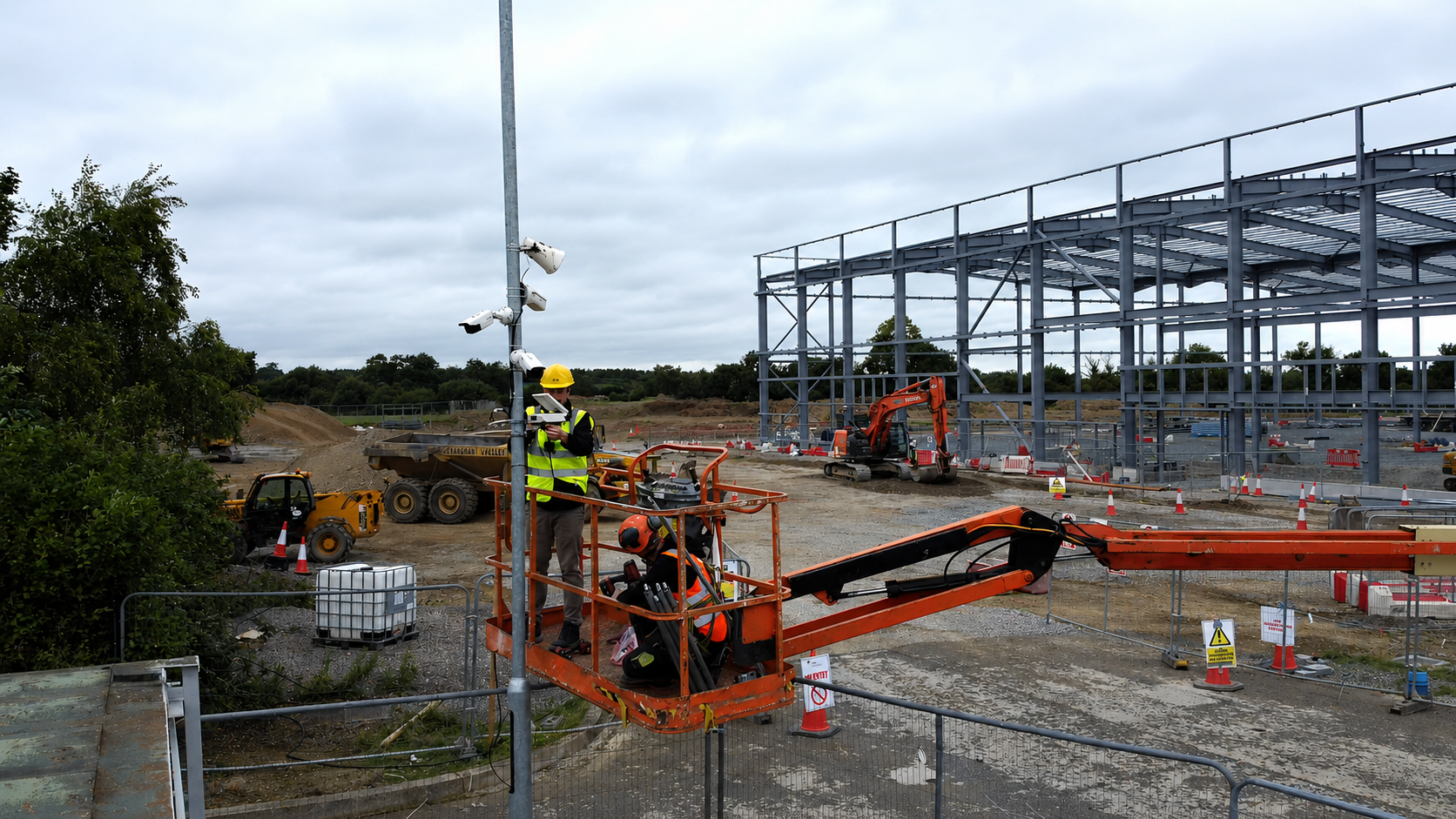
For contractors, developers and project managers, keeping a clear visual record of a project is becoming more important than ever.
It is not just about creating a nice final video at the end of the build. Visual documentation can help teams track progress, update stakeholders, record key milestones, support internal reports and show the full journey of a project from start to finish.
But when people start looking into this, the language can become confusing.
Some companies talk about construction site cameras. Others talk about time-lapse cameras. Some focus on monitoring, while others focus on video production. The right option depends on what you actually need from the footage.
In this article, we’ll break down the difference between construction site cameras and construction time-lapse cameras, when each option makes sense, and what to consider if your goal is progress reporting, stakeholder updates or a final project video.
Looking for a managed camera rather than a comparison guide? View our construction site camera service for installation, remote access and progress reporting across Ireland.
What Are Construction Site Cameras?
Construction site cameras are fixed cameras installed on a project site to provide visibility over what is happening on site.
Depending on the system, they may be used for live viewing, progress checks, security, project records or remote access. Some site cameras are focused mainly on surveillance and site security, while others are used to help project teams monitor progress and keep a visual record of the build.
A construction site camera can be useful when a team wants to check the site remotely, view activity at regular intervals or keep a basic record of how a project is developing.
Common uses include:
Remote site visibility
General progress tracking
Security and site awareness
Internal project records
Client or stakeholder updates
Checking key stages of a build without always needing to visit site
For contractors working across multiple sites, site cameras can be especially useful because they make it easier to see progress without relying only on written updates, phone calls or site visits.
However, not every site camera setup is designed to create a polished time-lapse video. Some systems are built mainly for monitoring, not storytelling or final content production.
What Are Construction Time-Lapse Cameras?
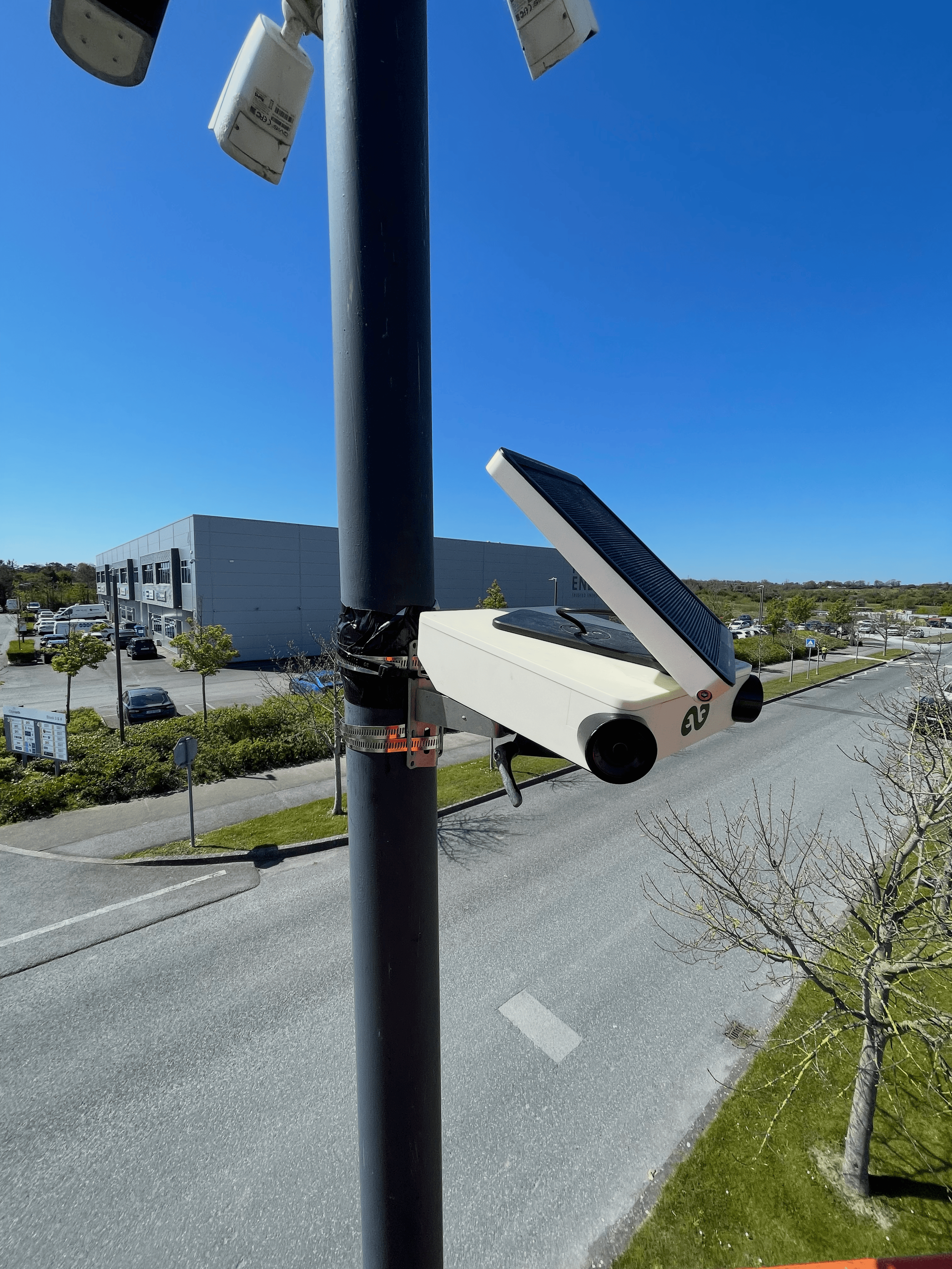
Construction time-lapse cameras are fixed camera systems used to capture a project over a period of time.
Instead of recording continuous video, they usually capture images at set intervals throughout the day. Over weeks, months or years, those images build up a visual record of the project. The footage can then be used to create progress clips, stakeholder updates or a final edited time-lapse video.
A construction time-lapse camera is especially useful when the goal is to show change over time.
This could include:
A building coming out of the ground
A roof replacement
A fit-out progressing from empty space to completed interior
Roadworks or infrastructure upgrades
A pharmaceutical or industrial facility being developed
A housing development moving through different construction phases
The strength of time-lapse is that it compresses a long, complex project into something people can understand quickly.
A project that took six months can be shown in one or two minutes. That makes time-lapse useful for reporting, marketing, tenders, handover videos, internal communications and stakeholder presentations.
Site Cameras vs Time-Lapse Cameras: What’s the Difference?
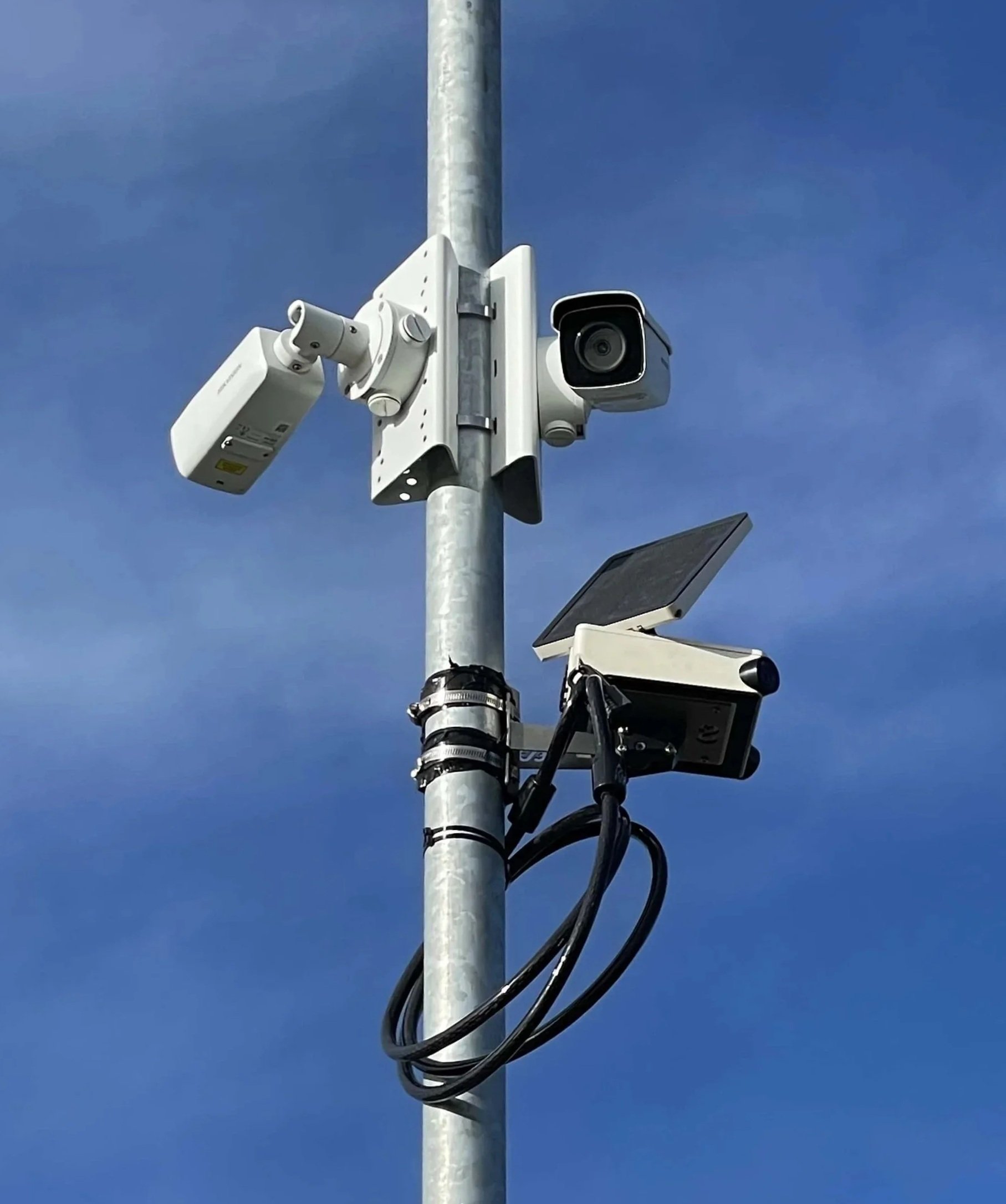
The difference between site cameras and time-lapse cameras is not always clear because they can overlap.
A camera installed on a construction site can sometimes do both jobs. It can support visual monitoring during the project and provide the footage needed for a final time-lapse video.
The real difference is the purpose of the system.
| Feature | Construction Site Cameras | Construction Time-Lapse Cameras |
|---|---|---|
| Main purpose | Site visibility and monitoring | Progress documentation and final video output |
| Best for | Remote checks, security and general site awareness | Showing project progress over weeks, months or years |
| Typical output | Live views, still images and basic site records | Progress clips, stakeholder updates and edited time-lapse videos |
| Marketing value | Usually lower | Usually higher |
| Reporting value | Strong for site records and visibility | Strong for visual progress reports and milestone updates |
| Best stage to install | Early in the project | Before major visible progress begins |
| Most useful for | Site teams, project managers and operations teams | Project teams, clients, directors, marketing teams and stakeholders |
For some projects, a basic site camera may be enough.
For others, especially where the footage needs to be turned into reports, updates or marketing content, a managed time-lapse camera system is usually more valuable.
Which Option Is Better for Project Progress Reporting?
For project progress reporting, the best option depends on the type of reporting you need.
If the main goal is to check the site remotely or keep a general view of site activity, a construction site camera may be enough.
If the goal is to show progress clearly over time, update stakeholders, document milestones and create a final video, a construction time-lapse camera system is usually the stronger option.
For many construction projects, the best approach is not simply “site camera or time-lapse camera.” It is a managed visual documentation setup that can support both.
That means the camera is not just installed and forgotten about. The system should be planned properly, positioned correctly, monitored during the project and used to create useful outputs.
Those outputs might include:
Progress images
Short time-lapse clips
Monthly or milestone updates
Stakeholder reporting content
Final project videos
Marketing and tender content after completion
This is where time-lapse becomes more than just a final video. It becomes part of the project communication process.
Where Time-Lapse Works Best
Construction time-lapse works best when there is visible progress over time and a clear reason to document the project.
It is especially useful on projects where multiple stakeholders need to understand what is happening without being on site every week.
Examples include:
Pharmaceutical and Industrial Projects
Pharmaceutical, medtech and industrial projects often involve long timelines, specialist teams and multiple stakeholders. Time-lapse can help create a clear visual record of progress from early works through to completion.
This can be useful for internal reporting, executive updates, contractor communications and final project storytelling.
A pharmaceutical construction time-lapse project is a good example of how long-term camera capture can support both progress documentation and final video output.
Infrastructure and Public-Facing Works
Infrastructure projects often happen in phases, sometimes across roads, public spaces or operational environments. That can make progress difficult to explain through written updates alone.
Time-lapse can show how the work developed, how different phases connected, and what changed over time.
For example, a road construction time-lapse project can help communicate phased progress clearly, especially where the work is spread across several months.
Roof Replacements and Short-Term Projects
Time-lapse is not only for large multi-year builds.
Shorter projects, such as roof replacements, can also benefit from time-lapse when the transformation is visually clear. These projects often work well because the before, during and after stages are easy to understand.
A roof replacement time-lapse project can show the full process in a way that is far more engaging than a few still images.
Housing Developments and Commercial Builds
For developers and contractors, time-lapse can help show the pace and quality of work across housing developments, commercial buildings, fit-outs and specialist construction projects.
The footage can be useful during the project for updates and after completion for sales, marketing, tenders and future client presentations.
What to Look for in a Construction Time-Lapse Provider
Choosing a time-lapse provider is not just about finding someone who can install a camera.
The quality of the final result depends on planning, camera position, site conditions, monitoring, editing and how the footage is used during and after the project.
Before choosing a provider, consider the following.
Camera Positioning
The camera angle is one of the most important decisions.
A poor camera position can miss key progress, become blocked as the site develops or fail to show the project clearly. A good provider should help assess the site, understand the project timeline and choose a camera position that will still make sense months later.
Power and Connectivity
Some sites have easy access to power and internet. Others do not.
Depending on the location, a time-lapse camera may need solar power, mobile data or another setup that suits the conditions of the site. This should be considered before installation.
Remote Monitoring and Maintenance
A construction time-lapse project may run for months or years. If the system is not monitored, problems can go unnoticed.
Camera movement, weather, power issues, connectivity problems or site changes can all affect the quality of the footage. A managed setup should include checks and maintenance where needed.
Progress Updates During the Project
The footage should not only sit there until the project is complete.
For many contractors and project teams, the real value comes from being able to use the footage during the build. Short progress clips or selected images can help with stakeholder updates, internal communication and project reporting.
Final Video Production
The final video is where the raw footage becomes a useful communication asset.
A good final time-lapse video should not simply be thousands of images stitched together. It should be edited properly, paced well and supported with branding, titles, drone footage, music or other video content where appropriate.
Experience with Construction Environments
Construction sites have practical realities. Access, safety, working hours, site restrictions and weather all affect how the project is captured.
A provider should understand how to work around these conditions without disrupting the site team.
Can Time-Lapse Be Used for More Than Marketing?
Yes. One of the biggest mistakes is thinking time-lapse is only for marketing.
A final time-lapse video is useful for marketing, but the footage can also support project communication during the build.
Time-lapse footage can help with:
Internal progress updates
Client communication
Director or board updates
Stakeholder reports
Tender presentations
Project handover
Recruitment content
Social media content
Website case studies
Public project updates
This is why time-lapse can be valuable for both marketing teams and project teams.
The marketing team may care about the final video. The project team may care about progress visibility and documentation. A good setup can support both.
How Scaling Visual Supports Construction Progress Documentation
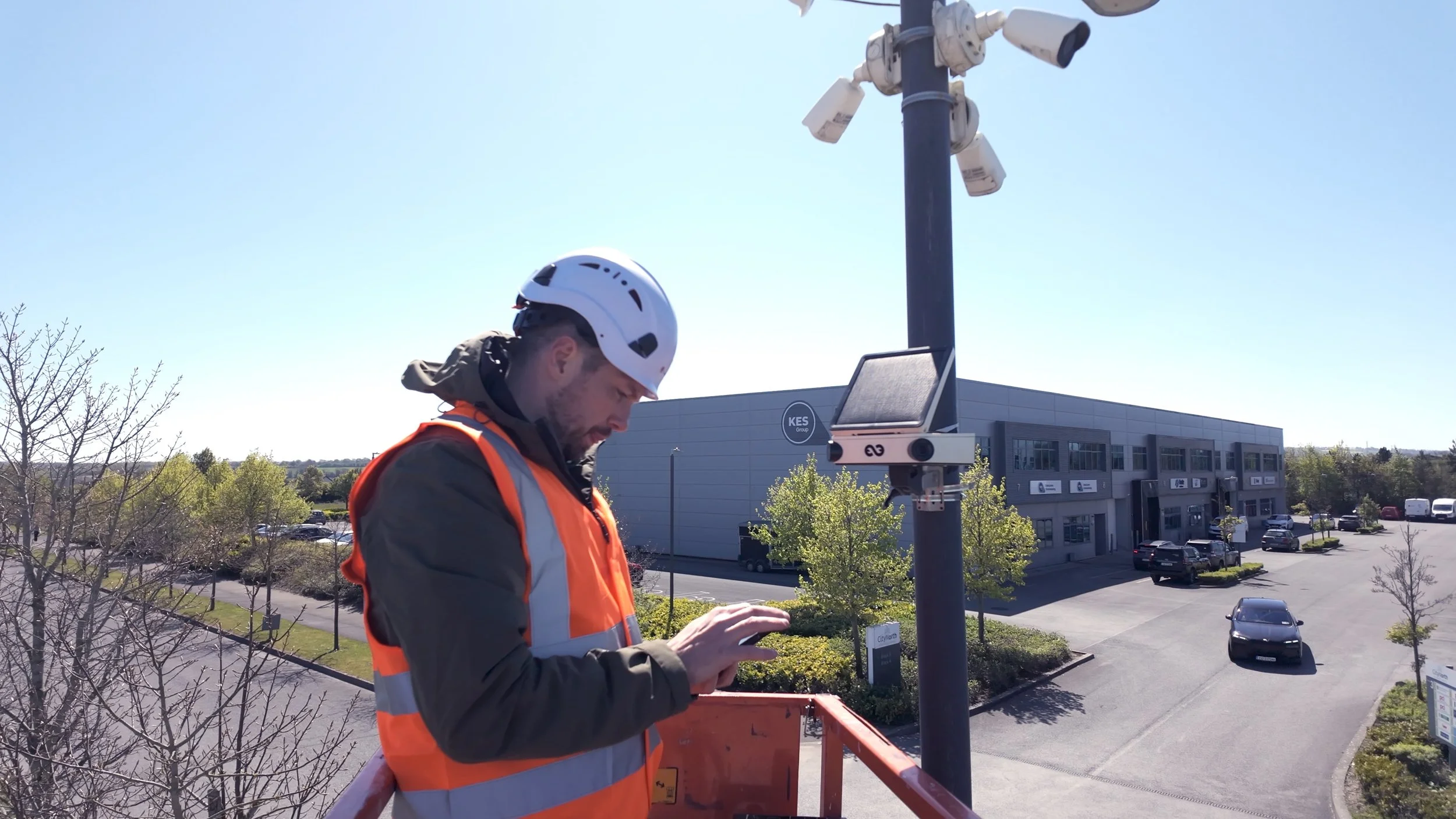
At Scaling Visual, we provide construction time-lapse services in Dublin and across Ireland for contractors, developers, pharma teams and project managers.
Our approach combines camera installation with video production. That means the project is not only captured, but also turned into useful content for updates, stakeholder reporting and final project videos.
Depending on the project, this can include long-term fixed camera systems, progress clips, drone footage, site video, branding, titles and final edits.
If you are planning a project and want to document progress from start to finish, you can learn more about our construction time-lapse services.
If your project needs ongoing site visibility, regular progress images and stakeholder updates before the final video, view our construction site cameras service.
Final Thoughts
Construction site cameras and time-lapse cameras can both be useful, but they are not always used for the same purpose.
A site camera is often useful for visibility, monitoring and checking what is happening on site.
A construction time-lapse camera is usually better when the goal is to document progress clearly, update stakeholders and create a final project video that shows the full journey of the build.
For many projects, the strongest option is a managed time-lapse camera system that supports both progress reporting during the project and polished video content after completion.
If the project is important, visible, long-term or stakeholder-heavy, it is worth planning the visual documentation early. Once the key stages have passed, they cannot be captured again.
If your question is more about CCTV, site security and how that differs from progress cameras, read our separate guide on construction site cameras vs CCTV.
FAQs About Construction Site Cameras and Time-Lapse Cameras
-
Not always. Construction site cameras or CCTV are often used for visibility, monitoring or general site records and security. Time-lapse cameras are used to capture progress over time and create progress clips or final edited videos. Some systems can support both, depending on how they are set up.
-
Yes. Time-lapse footage can be used to create regular progress clips, still images or visual updates for clients, directors, stakeholders and internal teams.
-
Some cameras can use existing site power, while others may use solar power depending on the location and project requirements. The best setup depends on the site conditions, camera position and project duration.
-
Ideally, the camera should be installed before major visible work begins. The earlier the camera is installed, the more complete the project record will be.
-
Yes. The same footage used for documentation and progress updates can also be edited into a final project video for websites, social media, tenders, client presentations and internal communications.
-
Yes, if the project has a clear visual transformation. Shorter projects such as roof replacements, fit-outs or specialist installations can still work very well as time-lapse videos.
-
For stakeholder updates, a managed time-lapse camera system is often the strongest option because it creates a clear visual record of progress while also providing content that can be turned into updates, reports and final videos.